It’s often the first question people ask before traveling to Benin: is Cotonou safe? The short answer: yes. But like any destination, a few practical pointers will help you enjoy your stay with complete peace of mind.
Benin — A Stable Country in West Africa
Benin is recognized as one of the most stable countries in the region. An established democracy, no internal conflict, and a tradition of hospitality deeply rooted in the culture. Beninese people use the word “Kwabo” — welcome in Fon — and it’s not just a phrase: welcoming visitors is part of the national identity.
Cotonou, the country’s economic capital, is a vibrant and cosmopolitan city. Like any large African city, some neighborhoods are busier than others, but the overall sense of insecurity is significantly lower than what you might experience in some European or American metropolises.
Safe Neighborhoods in Cotonou
Not all neighborhoods are equal, and your choice of accommodation plays a key role in your experience.
Fidjrossè is one of the best choices for travelers. This residential neighborhood, popular with expats and families, offers a calm and secure environment. Close to the beach (10-minute walk), well-served by transport, with restaurants and shops nearby — it’s the ideal balance between tranquility and accessibility. Discover the Fidjrossè neighborhood →
Other neighborhoods like Haie Vive, Les Cocotiers, and Cadjehoun are also known for being safe and pleasant.
Basic Precautions — Same as Anywhere
Common-sense rules apply in Cotonou just as they would in any major city:
- Don’t display valuables (jewelry, large sums of cash) conspicuously
- Keep your belongings close in markets and busy areas
- Use Gozem (the local ride-hailing app, similar to Uber) for your trips, especially in the evening — fare displayed upfront, tracked route, in-app payment
- Avoid poorly lit areas at night, especially if you’re alone
- Photocopy your documents and keep originals in a safe
These precautions are the same ones you’d take in any major city worldwide. Nothing specific to Cotonou.
Getting Around Safely
Transportation is a key aspect of daily safety. In Cotonou, you have three main options:
-
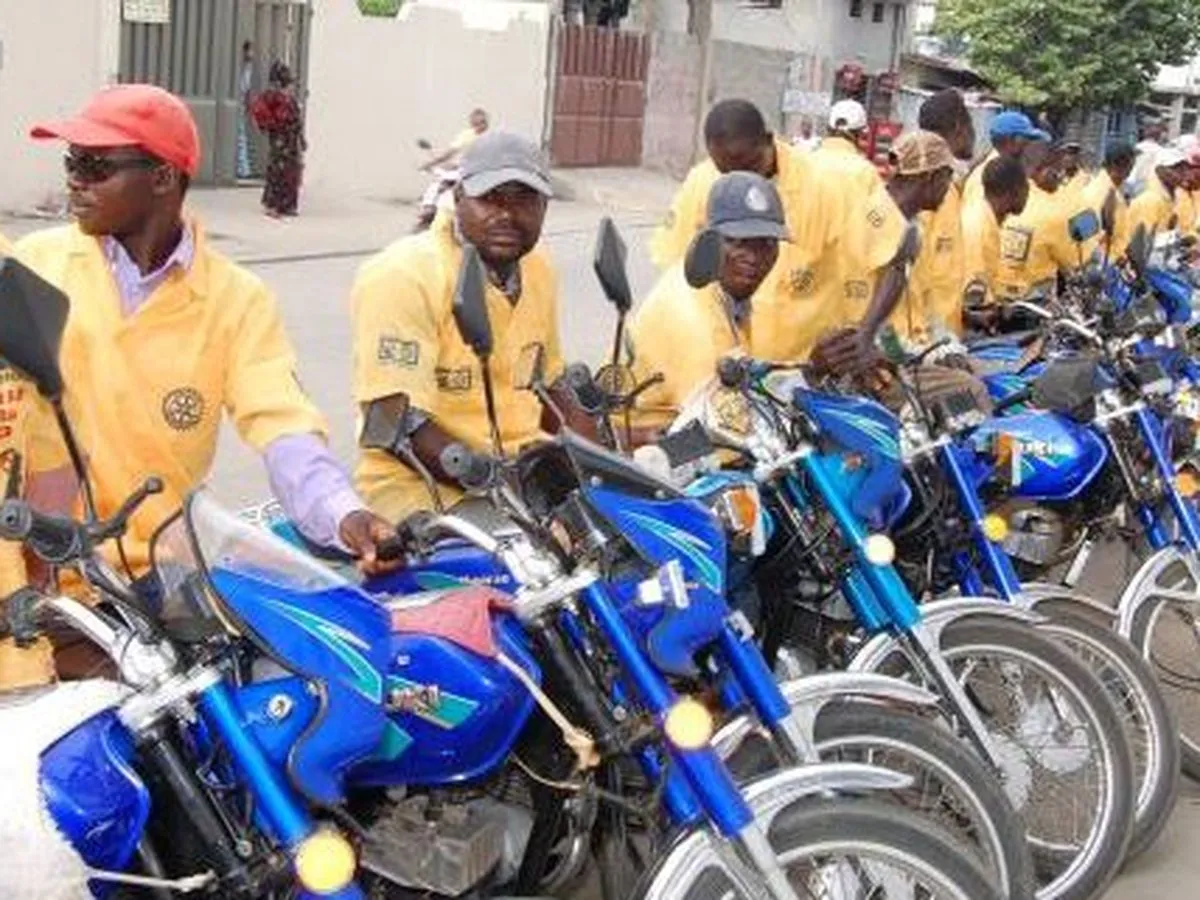
The Zem (moto-taxi) — the most common mode of transport. Negotiate the price before getting on and ask for a helmet. Practical and affordable (200 to 500 FCFA per ride).
-
Gozem — the local ride-hailing app. It’s the safest option: you see the fare before the ride, the route is tracked, and you can share your location. Download the app before you arrive.
-
Private driver — your host can arrange a trusted driver for the day (15,000 to 25,000 FCFA). Ideal for excursions or if you prefer the comfort of an air-conditioned car.
Cotonou at Night
Cotonou has a nightlife, especially on weekends. Restaurants, bars, and maquis (local eateries) are lively and welcoming. For nighttime outings:
- Use Gozem for your trips
- Stay in neighborhoods you know
- Go out in groups when possible
- Let your host know your plans — they can recommend the best spots
Your Accommodation Matters
Safety starts with your choice of accommodation. At Maison Ayaba, we’ve invested in features that guarantee your complete peace of mind:
- Smart lock — code access, no key to lose
- Ring camera at the entrance — see who’s at the door before opening
- Residential neighborhood — Fidjrossè Jacquot, calm and well-lit
- Automatic inverter — even during power outages, your apartment stays powered (lights, WiFi, AC)
- An available host — reachable at any time to guide or help you
Traveling to Cotonou means discovering a warm, vibrant, and fundamentally welcoming city. With the right precautions and the right accommodation, your stay will be a memorable experience — for all the right reasons.