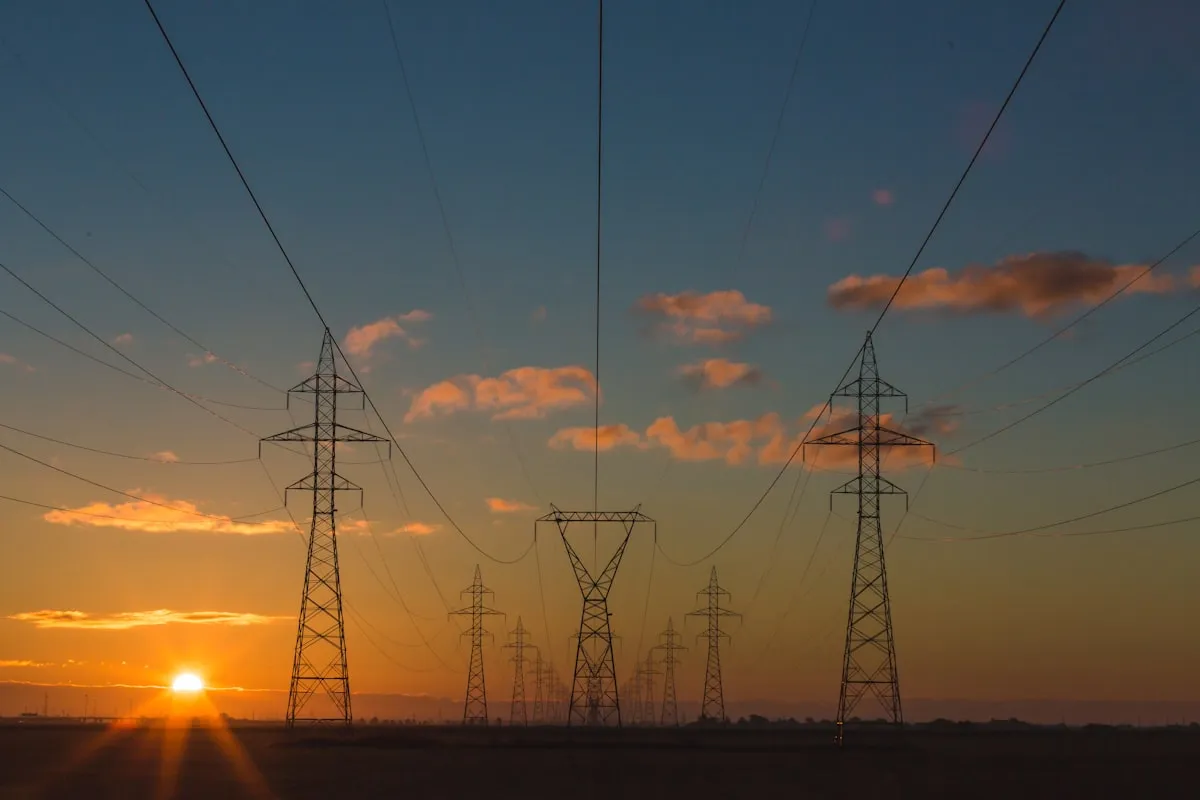
If there’s one thing that catches first-time visitors to Cotonou off guard, it’s the power situation. Electricity in Benin is not as reliable as what you’re used to in Europe or North America. But once you understand how it works and how to prepare, it becomes a minor inconvenience rather than a trip-ruining problem.
The Reality of Power Cuts in Cotonou
Power outages — called “délestages” locally — are a fact of life in Cotonou. They happen because Benin imports a large share of its electricity from neighboring countries (mainly Nigeria and Ghana), and the national grid struggles to keep up with growing urban demand.
What to expect:
- Outages can happen any time of day, often without warning
- Duration ranges from 15 minutes to several hours
- Some neighborhoods are hit more than others
- The dry season (November to March) tends to see more outages due to reduced hydroelectric output
This isn’t unique to Benin — it’s common across West Africa. But it does mean that your choice of accommodation matters more than you might think.
Why It Matters for Your Stay
A power cut without backup means:
- No air conditioning — and Cotonou is hot year-round (28-35 degrees C with high humidity)
- No WiFi — the router goes down with the power
- No lights — obvious but worth stating
- No fridge — your food and drinks warm up fast in the tropics
- No phone charging — and your phone is your lifeline for Gozem, maps, and communication
For a short outage, it’s manageable. For a 4-hour cut in the middle of the night with no AC? That’s a different story.
The Three Types of Backup Systems
Not all backup solutions are equal. Here’s what you’ll encounter in Cotonou:
1. No backup at all
Unfortunately common in budget accommodations. When the power goes, everything goes. You wait it out.
2. Generator (groupe electrogene)
Better than nothing, but far from ideal. Generators are loud, take several minutes to start, produce fumes, and often only power part of the building. Many hosts turn them off at night to avoid noise complaints.
3. Automatic inverter (onduleur)
This is the gold standard. An inverter is a battery-backed system that switches on instantly — within milliseconds — when the grid drops. No noise, no fumes, no delay. Your AC, WiFi, lights, and appliances keep running as if nothing happened. You often won’t even notice the outage.
This is the single most important thing to ask about when booking accommodation in Cotonou. If the host can’t confirm an automatic inverter, think carefully before booking.
Questions to Ask Before Booking
When evaluating any accommodation in Cotonou, ask these specific questions:
- Do you have an automatic inverter? (Not a generator — an inverter)
- Does it cover the entire apartment? (Some only cover common areas)
- Does the AC run on the inverter? (Many inverters aren’t powerful enough for AC units)
- Does the WiFi stay on during outages?
These aren’t luxury questions — they’re essential comfort questions in a tropical city with frequent power cuts.
How We Handle It at Maison Ayaba
When I set up Maison Ayaba, the inverter system was one of my biggest investments. Here’s what we have:
- Automatic inverter covering the entire 167 square meter apartment
- AC in every room stays on during outages
- High-speed WiFi + Ethernet — both powered by the inverter
- Seamless switchover — the transition is instant, you won’t notice a thing
I’ve had guests tell me they didn’t realize there had been a 3-hour outage until I mentioned it the next day. That’s exactly the experience I want to provide.
Power outages are part of life in Cotonou, but they don’t have to be part of your vacation experience. The right accommodation makes all the difference.